
How to Clean Paintbrushes and Rollers: A Master Guide by Polifarb Technicians
How to Properly Clean Paintbrushes and Rollers After Water-Based and Oil Paint: Professional Methods
High-quality painting tools represent half the success of any renovation project. A premium blended-bristle brush or a properly selected roller sleeve is expensive, and discarding them after a single use is highly wasteful. However, the exact method for cleaning your equipment depends entirely on the chemical composition of the paint. Materials that wash away effortlessly with water can transform into a solid monolith when exposed to wrong handling.
Chemical engineers from the Polifarb manufacturing plant have structured this step-by-step guide to reviving brushes and rollers after applying water-dispersible (latex) and oil-based (alkyd) compositions, ensuring they perform for multiple seasons.
Part 1. Cleaning Tools After Water-Based (Water-Dispersible) Paint
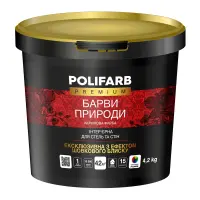
Water-dispersible formulations (such as the Polifarb STANDARD or «Barvy Pryrody» interior product lines) are engineered with acrylic or latex copolymers, utilizing ordinary water as the carrier fluid. The golden rule here is to act immediately. While the polymer emulsion is wet, it remains water-soluble. Once full polymerization takes place (within 1–2 hours), the paint cures into an insoluble plastic film.
Step-by-Step for Paintbrushes:
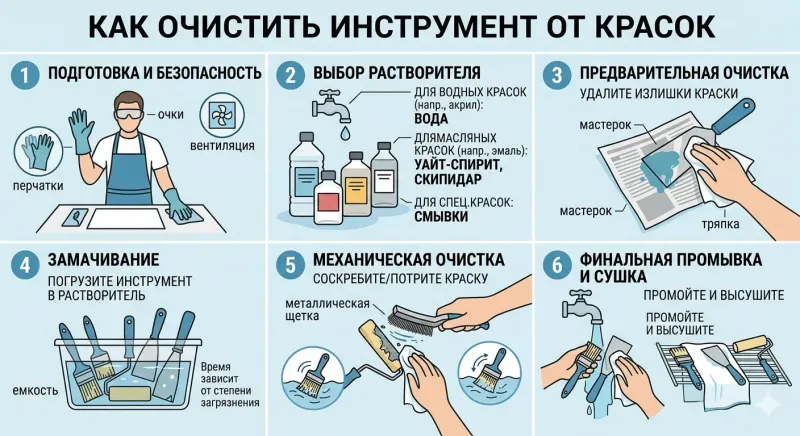
Maximum Extraction: Strip excess paint from the brush by pressing its bristles firmly against the inner rim of the can or drawing it heavily across a thick piece of cardboard or newspaper.
Warm Water Rinse: Wash the brush under running warm water. Crucial: The water temperature must not exceed +40 °C; otherwise, the acrylic copolymers inside the paint will coagulate, making it impossible to flush them from the depth of the ferrule.
Soap Bath: Submerge the brush in a container filled with a solution of household soap or liquid dish detergent. Work the bristles thoroughly with your fingers from the heel to the toes.
Final Flush: Rinse the tool under clean running water until the discharge flows completely clear.
Step-by-Step for Paint Rollers:
Scraper Extraction: Use a curved, semi-circular painter's tool (often integrated into the back of multi-tools or scrapers) to literally squeeze residual paint from the roller sleeve back into the bucket or tray.
Soaking and Diffusion: Disengage the sleeve from the roller frame (cage) and submerge it in a bucket of warm, soapy water for 10–15 minutes.
Rinse Until Clear: Compress and release the roller sleeve under running water repeatedly until all pigment traces are evacuated.
Part 2. Cleaning Tools After Oil-Based (Alkyd) Paint and Enamels
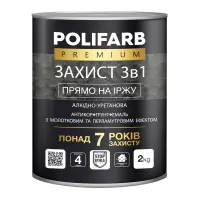
Solvent-borne materials (such as heavy-duty «Zakhyst 3v1» primer-enamels or classic alkyd coatings) cure via the oxidative polymerization of alkyd resins. Water is ineffective here—organic solvents are mandatory.
Choosing the Correct Solvent:
For Polifarb enamels and primers, highly refined mineral spirits (white spirit), solvent naphtha, or proprietary thinners designated on the product label yield the best results.
It is strongly discouraged to use pure acetone or aggressive 646 lacquers thinners on synthetic brushes or rollers, as they can liquefy synthetic fibers or polyurethane foam cores.
Step-by-Step Workflow:
Pre-Cleaning: Just as with water-borne paints, extract as much paint from the brush or roller as possible onto paper or scrap rags.
The Primary Bath (Rough Clean): Pour a small volume of solvent into a narrow jar (roughly 2–3 cm deep). Dip the brush, pressing the bristles against the bottom to force the solvent into the center of the knot. For a roller, utilize a narrow paint tray. The organic matrix will begin dissolving the paint's binding agents.
The Secondary Bath (Fine Clean): Drain the contaminated solvent into a sealed container for subsequent disposal. Pour a fresh batch of clean solvent into the jar and repeat the process until the bristles stop shedding pigment.
The Soap Finish: To strip the remaining solvent film and its pungent odor, wash the tool in warm water using a liquid degreasing soap or detergent powder.
Part 3. Proper Drying and Storage (The Key to Tool Longevity)
Incorrect drying workflows can ruin a perfectly washed brush or roller.
For Paintbrushes: Never dry brushes by resting them bristle-down inside a jar; the weight will permanently bend the fibers, ruining the crisp cutting edge. Similarly, avoid laying them flat across radiators. The ideal approach is to hang the brush bristle-down using the lanyard hole found on most professional handles, or lay them flat on a dry cloth after reshaping the bristles manually.
For Rollers: Never leave roller sleeves to dry lying flat on their sides. This creates a flat spot in the pile, causing the roller to skip and leave track marks during your next project. Dry roller sleeves exclusively in a vertical position standing on their end, or suspended from a wire hook.
Checklist: What to Do If the Paint Has Already Cured
If a tool was neglected and has hardened into stone, reclamation is difficult but feasible:
For Alkyd Enamels: Soak the brush in a heavy-duty chemical paint stripper for a few hours, wrapping the container in plastic wrap. Once the resin matrix softens, comb through the bristles with a metal painter's comb.
For Acrylic Paints: Utilize specialized acrylic automotive thinners or isopropyl alcohol. Normal water will provide zero chemical action at this stage.
Cost-Benefit Analysis: If a roller sleeve has completely cured with water-dispersible paint, it is far more economical to simply purchase a replacement Polifarb sleeve. The time and chemical solvent costs required to reclaim hardened foam or polyamide fabric will quickly outweigh the price of a new consumable component.
Technical Summary
Timely maintenance of your application tools takes no more than 10 minutes but saves up to 30% of your total coating allocation budget. The key lies in matching the appropriate flushing agent: warm water under +40 °C for Polifarb water-borne eco-lines, and premium-grade mineral spirits for alkyd primer-enamels.