
How to Properly Paint a Bathroom
How to Properly Paint a Bathroom Wall When Old Paint Is Peeling: Step-by-Step Recommendation from POLIFARB
Many people face a classic problem: you decide to refresh the walls in the bathroom, but the old paint starts flaking off in pieces, especially in areas with high humidity and condensation. This situation is typical for older renovations — the paint doesn’t adhere well, cracks and delamination appear. There’s no need to panic and strip everything down to the concrete. With the right approach, you can properly prepare the surface and achieve a long-lasting result.
Step 1: Thorough Preparation — 80% of Success
Remove everything that doesn’t hold well. Use a metal spatula or scraper to carefully remove the flaking paint. You don’t need to remove solid coating — just get rid of what is loose.
Sand the edges. Sand the boundaries of the delaminated areas with sandpaper (grit 80–120) so the transitions are smooth and the new layers apply evenly.
Fill defects. Fill all cracks, chips, and uneven spots with high-quality putty for wet areas. After drying, sand again until smooth.
Wash the surface. Be sure to wash the entire wall with painter’s soap or degreaser to remove grease, soap residue, mold, and dust. In the bathroom, this is especially important — leftover contaminants greatly reduce the adhesion of new paint.
Step 2: Priming — a Must-Do Step in the Bathroom
The bathroom is a zone of high humidity, condensation, and risk of mold. That’s why simply painting “over the old” usually leads to delamination again in 1–2 years.
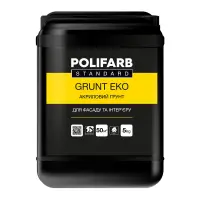
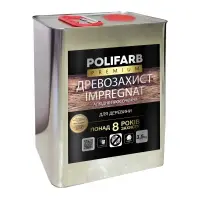
We recommend using a deep-penetration primer with antiseptic additives from POLIFARB. It:
strengthens the base,
improves adhesion of the new paint,
protects against fungus and mold.
Apply the primer in 1–2 coats, allowing full drying between them. If the wall absorbs heavily or there were mold issues — apply two coats.
Step 3: Choosing Paint for the Bathroom
Ordinary interior paint won’t work for a bathroom. You need a moisture-resistant, washable paint with good vapor permeability that withstands frequent washing and condensation.
Products from the POLIFARB line work excellently:
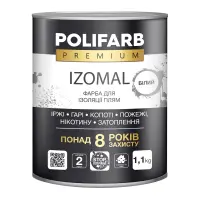
Diamond 7 or Diamond 2 — latex acrylic paints specially recommended for rooms with high humidity, including bathrooms. They form a strong, breathable coating that is resistant to washing.
For even higher wear resistance, consider POLIFARB’s special moisture-resistant interior paints for kitchens and bathrooms.
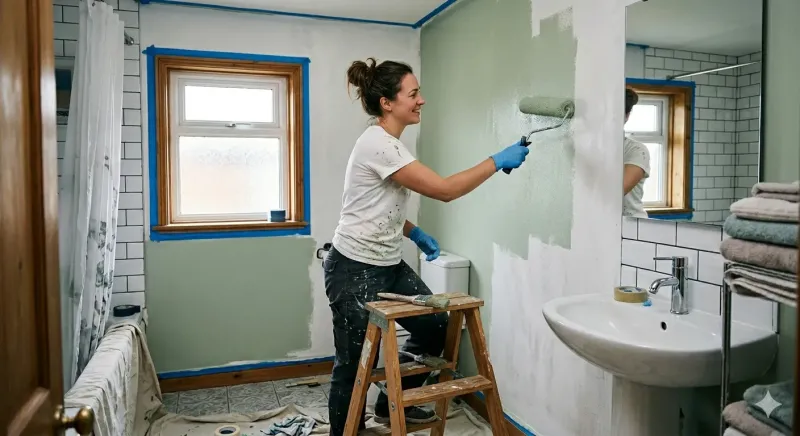
Apply the paint in 2–3 thin coats using a roller with short or medium nap. The first coat can be slightly diluted (if the instructions allow), subsequent coats — undiluted. Allow the drying time specified by the manufacturer between coats (usually 2–4 hours).
Useful Tips to Enjoy the Result for Years
Work at temperatures between +10…+25 °C and normal air humidity.
Ensure good ventilation during painting and drying.
In areas of direct water exposure (near the bathtub or sink), additionally use silicone sealant or combine with tiles in the wettest spots.
If the old paint was oil-based — be sure to check compatibility and use a quality bridging primer.
Don’t skimp on preparation: it’s better to spend an extra day on cleaning and priming than to repaint again in a year.
A properly prepared and painted wall with POLIFARB paint will last many years, keeping a fresh look even with regular washing and high humidity.
If you have a similar situation — old peeling paint in the bathroom — start with mechanical cleaning and priming. This is the most reliable way to achieve a beautiful and durable renovation.
Would you like a personal consultation on choosing POLIFARB materials for your case? Write to us in the comments or visit the nearest store — we’ll select the best solution for your bathroom!