
Paint Materials, Pigments, and Solvents
Paint Materials, Pigments, and Solvents: Fundamentals of Protection and Coating Durability
Paint and coating materials (PCM) represent a whole science where each component plays its specific role: pigments provide color and protection, solvents ensure application, while binders and additives are responsible for strength, elasticity, and resistance to external influences. On forums of chemistry enthusiasts and in professional circles, people regularly discuss how to correctly combine these components so that a coating lasts for decades rather than peeling off after a couple of seasons. This article is dedicated exactly to that — for professionals and for anyone who wants to better understand the technology of production and application of paint materials.
1. Anticorrosion Protection of Metal: Why Binder and Coating Structure Matter
One of the most common problems is corrosion under the paint film. Many people mistakenly believe that “breathing” (porous) paints are suitable for metal. In practice, the opposite is true: permeability to water vapor and oxygen accelerates corrosion — especially edge corrosion — as moisture penetrates along the metal–film interface and destroys the coating from the inside.
Experts recommend multilayer systems:
Surface preparation (phosphating or oxidation).
Anticorrosive primer.
Main coating.
Topcoat varnish.
Flake-shaped fillers (aluminum, mica, graphite) work on the “labyrinth” principle. Flakes are laid in several layers, overlapping each other. Moisture is forced to go around them, passing through thin layers of binder. The more layers and the denser the packing — the better the barrier. At the same time, the flakes reinforce the film, reducing the risk of microcracks. More details on the use of flake fillers in anticorrosive coatings can be found here and in this scientific article (in Russian, but with technical details).
Important point: mineral pigments themselves are usually hydrophilic. They can become “bridges” for water. The solution is preliminary chemical modification of the filler surface with hydrophobic agents (silanes, stearates, etc.). Then even the capillaries inside the coating become water-repellent.
2. Hydrophobicity + Elasticity = Long Service Life
Simple hydrophobization of the outer surface is good, but not enough. Water still penetrates in the form of vapor during temperature and pressure fluctuations. That is why modern approaches include:
Creation of microphase-separated polymer structure (segregating copolymers). Rigid domains provide strength, elastic ones stop crack propagation (similar to polyurethane rubbers in aircraft tires).
Improved adhesion to metal through special primers that do not require perfect surface cleaning.
3. Plasticizers for Concrete and Mineral Surfaces
Decorative finishing of concrete, marble chips, or facades often requires plasticizers. A classic example is the powdered plasticizer S-3:
Sodium sulfate — 7–10%
Polymethylenenaphthalenesulfonates (oligomers with chain length 1–25 units) — 80–85%
Moisture — up to 10%
This composition provides high concrete fluidity, reduces the water-cement ratio, and increases the strength of the finished product. Detailed composition and characteristics of plasticizer S-3 are described here and in the technical data sheet (in Russian, but with precise data). For coloring decorative marble chips in landscape design, stable, eco-friendly colorants with good adhesion and UV protection are required — properly selected binders and solvents are also critical here.
4. Electrical Insulating Varnishes: Example KF-965
A separate category is varnishes for electrical engineering. Varnish KF-965 is a solution in organic solvents of a base consisting of a mixture of polymerized drying oils, esterified fatty acids, rosin-based resin, and drier. The full text of GOST 15030-78 “Varnish KF-965. Specifications” is available here and in PDF version (in Russian).
Main characteristics of the cured film:
Viscosity by NII LK-7 at 20 °C — 18 s
Mass fraction of non-volatile substances — not less than 60%
Drying time at 210 °C — no more than 12 min
Electrical strength — 60–70 kV/mm (initial), 15–20 kV/mm after 24 h in humid atmosphere
Solvents: white spirit, turpentine, kerosene, нефрас.
Today many manufacturers are switching to synthetic analogs (e.g. based on sodium-butadiene rubber) — they are 1.5–2 times cheaper, do not require oils, and provide comparable properties.
5. Solvents and Their Influence on Quality
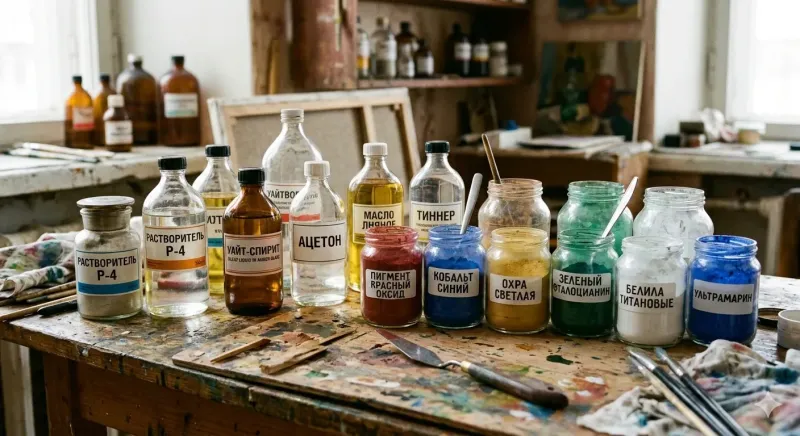
Solvents are not just “thinners”. They determine drying speed, viscosity, flow, and even the final film properties. Classics include:
White spirit and kerosene — for oil and alkyd varnishes.
Aromatic hydrocarbons — for fast-drying systems.
Alcohols and ethers — in acrylic and polyurethane compositions.
The main rule: the solvent must completely evaporate and leave no residues that reduce adhesion or hydrophobicity.
Conclusion: Modern Approach to Paint Materials
Today it is no longer enough to simply “paint”. It is necessary to create coating systems where each layer solves a specific task: adhesion, barrier protection, decorativeness, electrical insulation, or fire resistance. The correct choice of pigments, modification of fillers, multilayer application, and modern polymers make it possible to obtain coatings that withstand decades of operation in aggressive environments.
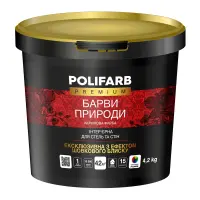
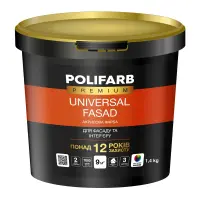
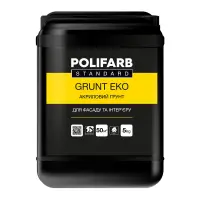
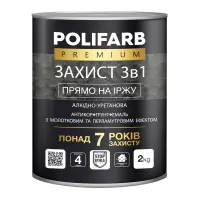
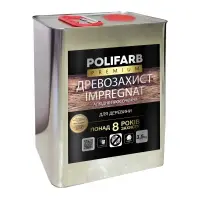
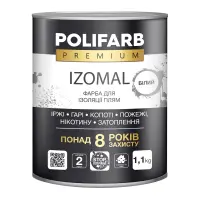
On the Polyfarb website you will find ready-made solutions — from “3-in-1” primer-enamels that do not require perfect metal preparation, to specialized varnishes and decorative coatings for facades and interiors. Our materials already take into account all the nuances that chemists argue about on forums: hydrophobicity, elasticity, anticorrosive properties, and environmental friendliness.
Need help selecting PCM for your specific task? Write to us — we will select the optimal coating system and explain how to achieve maximum durability in your particular conditions.
Polyfarb — quality proven by time and science.