











Active filters
ClearShowing 1–4 of 4 products
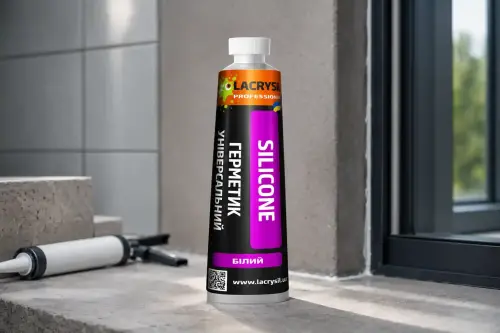
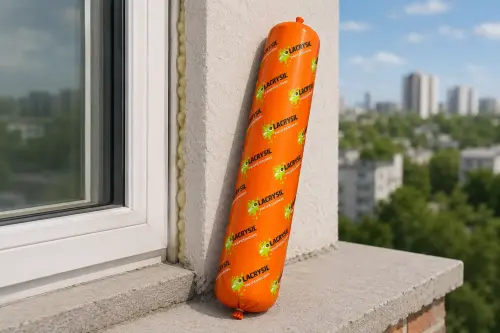
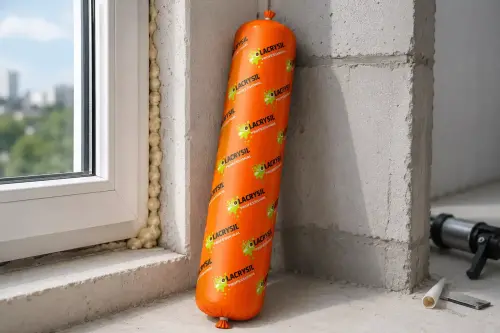
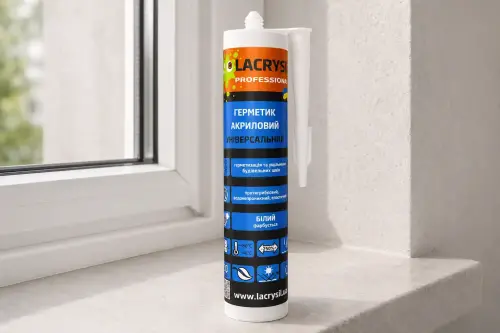
sealants are used when a seam, joint, gap or junction needs to be closed with a neat connection line. The category includes acrylic, silicone, fire-resistant, installation and adhesive sealants for repair, finishing, water-contact areas, window blocks, facades and special tasks.
What sealants are used for
filling seams, joints, gaps and technological openings between construction elements;
forming a neat seam around window, door, sanitary and decorative assemblies;
reducing the risk of moisture, dust or drafts entering through loose junctions;
use indoors, outdoors, in water-contact areas or temperature-loaded zones depending on material type;
combining sealing with fixing when an adhesive sealant is selected.
How to choose a sealant
for repair and finishing seams, check acrylic sealants with the required colour and paintability;
for bathrooms, showers, kitchens and water-contact areas, choose sanitary or silicone materials by surface compatibility;
for window, facade and thermal-insulation installation seams, check A or B series materials depending on the application side;
for fireplaces, stoves and hot structures, use a special fire-resistant sealant with the appropriate temperature range;
when an element must be bonded and the seam closed at the same time, check adhesive sealants.
What to check before application
surfaces should be dry, solid, level and cleaned of dust, dirt, grease, old coatings and poorly bonded particles;
porous or weakened substrates should be prepared and primed according to the specific product recommendations;
before work, check sealant compatibility with the substrate, application temperature and seam operating conditions;
fill the seam evenly, then shape the required geometry with a spatula or seam tool;
before load or further finishing, follow the drying time stated for the selected material.
A window installation joint has three layers: vapour-permeable sealant A outside, foam in the middle and vapour-barrier sealant B inside, which is painted together with the reveal. A can be applied in frost, from -25 °C, and the two must not be swapped, or moisture gets trapped in the foam. Universal silicone shields the foam from UV around frames and glazing, and Universal acrylic fills paintable gaps at sills and reveals.