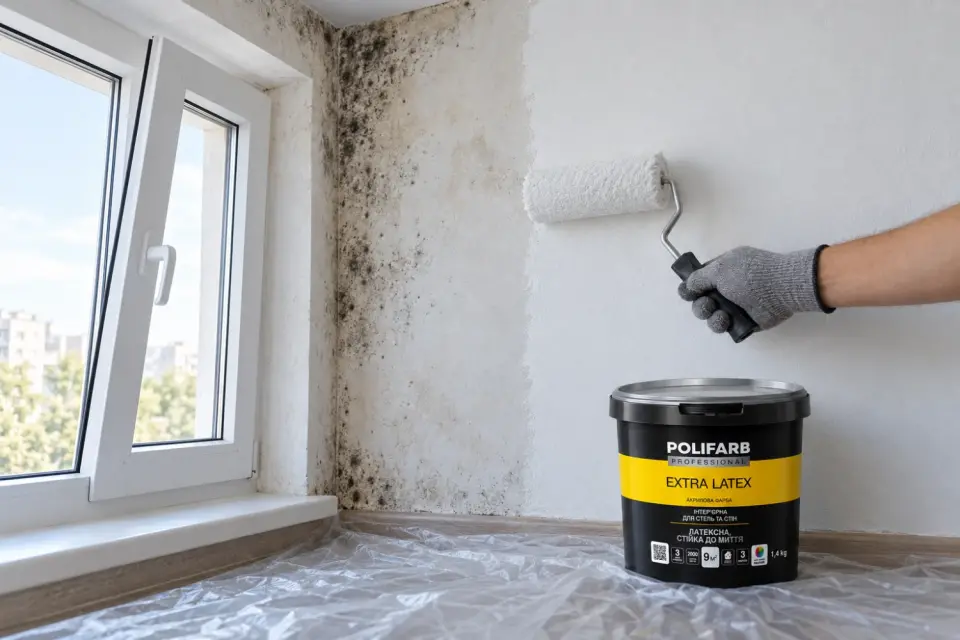
Mould grows in a home wherever moisture lingers: in bathrooms, kitchens, the corners of exterior walls and behind furniture. Mould spores are always in the air, and they start to grow when three conditions meet: moisture, a temperature between +5 and +25 °C, and an organic food source.
What mould needs to grow
Mould feeds on wood, paper, wallpaper paste and dust. Indoor temperature almost always suits it. That leaves moisture as the only factor you can control, and without moisture mould cannot grow.
Main causes of mould
- High indoor humidity, above 60–70 %. The most common cause. Moisture condenses on cold surfaces such as walls, windows and corners. Bathrooms, kitchens, basements and corner flats suffer most.
- Poor ventilation. Closed plastic windows that are never opened, blocked vents and furniture pushed against walls stop air from circulating.
- Leaks and condensation. Dripping pipes, a leaking roof, poor foundation waterproofing, thermal bridges around windows.
- Daily habits. Drying laundry indoors, lots of houseplants, aquariums, cooking without an extractor.
- Building mistakes. Insufficient insulation, no vapour barrier, impermeable coatings on walls that need to release moisture.
Why mould is a problem
Spores can trigger allergies, asthma attacks, respiratory irritation, headaches and fatigue. Children, older people and anyone with a weakened immune system are most at risk. Mould is expensive for the building too: it damages plaster, wallpaper, wood, paint and plasterboard.
How to get rid of existing mould
Washing mould off is not enough: if the moisture source remains, it comes back within 2–3 weeks. Work in this order:
- Find and fix the moisture source: a leak, condensation, a missing extractor fan.
- Remove affected wallpaper and flaking plaster.
- Treat the surface with an antiseptic product and let it dry completely.
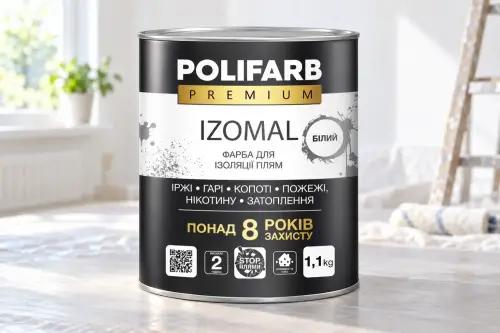
- If yellow stains remain after a leak, seal them with IZOMAL stain-blocking paint, otherwise they will bleed through the new paint. See how to cover stains on a ceiling for the details.
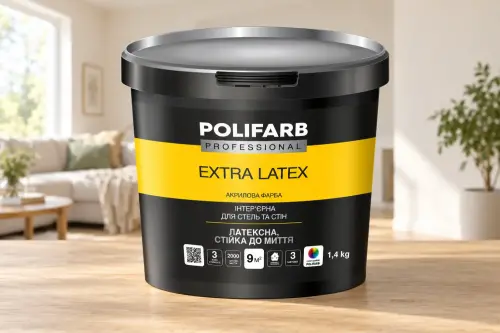
- Repaint with a breathable paint. Under an impermeable film moisture builds up, and blisters and mould appear in corners. For living rooms, EXTRA LATEX acrylic paint keeps the wall vapour-permeable.
How to prevent mould
Control humidity
Get a hygrometer. A healthy indoor humidity level is 40–60 %. If it is higher, run a dehumidifier or ventilate more often.
Sort out ventilation
- Fit extractor fans in the bathroom and kitchen that vent outdoors.
- Air rooms 2–3 times a day for 10–15 minutes.
- Keep vent grilles clear and move wardrobes away from exterior walls.
Remove moisture sources
- Repair leaks straight away.
- Wipe condensation off windows.
- Dry laundry on the balcony or outdoors.
- Insulate exterior walls and window reveals to eliminate thermal bridges.
Materials for damp areas
Area | Problem | Solution |
|---|---|---|
Bath, shower and sink joints | Black line along the seam | Sanitary sealant with antiseptics or fungicides |
Bathroom floor and walls, basement | Water gets into the structure | Liquid-applied waterproofing |
Timber | Fungus and mould in the wood | Antiseptic wood preservative |
Room walls | Moisture trapped under a dense film | Vapour-permeable paint |
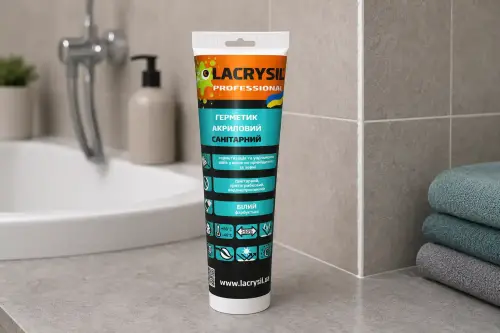
- Acrylic sealant “Sanitary” contains antiseptics against fungus, is vapour-permeable and, unlike silicone, can be painted. Use it where the joint should disappear under paint.
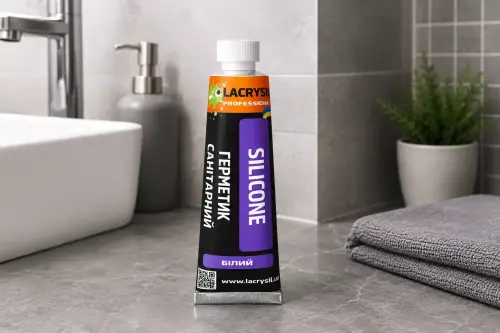
- Silicone sealant “Sanitary” with fungicides: practically zero shrinkage, movement up to 20 %, service up to +130 °C. For showers, baths and sinks.
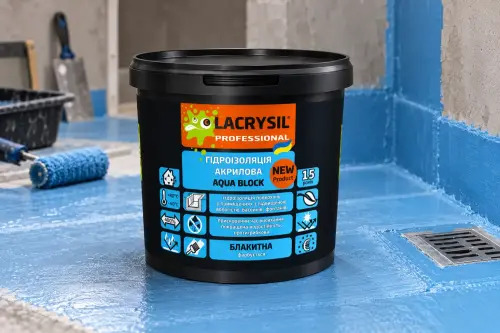
- Water Block acrylic waterproofing for bathrooms, showers and basements: 400 % elasticity.
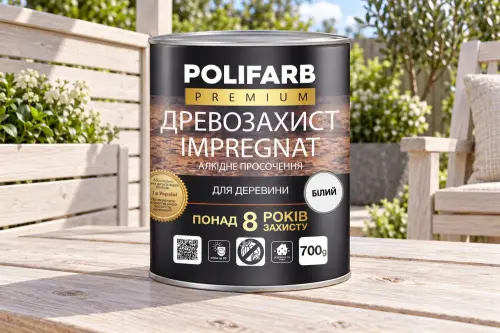
- DREVOZAHIST IMPREGNAT antiseptic wood preservative protects timber from fungi, insects and mould.
To choose a silicone for the bathroom or kitchen, read neutral or acetoxy silicone, and for bathroom walls see how to paint a bathroom wall.
What to buy
The minimum anti-mould kit for a bathroom is a sanitary sealant for joints, waterproofing under the tiles in wet zones and an extractor fan. For room walls use a breathable paint, and for old leak marks a stain-blocking paint. Mould stays away only while indoor humidity stays within 40–60 %.
FAQ
Why does mould appear in the corners of a flat?
Corners of exterior walls are colder than the rest of the wall. Moisture condenses there, and at humidity above 60–70 % mould starts to grow.
Can I just paint over mould?
No. Remove the mould, treat the area with an antiseptic, fix the moisture source and dry the wall first. Otherwise it will grow back through the paint.
What humidity prevents mould?
40–60 %. Check it with a hygrometer and air the rooms 2–3 times a day for 10–15 minutes.
What should I use to seal bathroom joints against mould?
A sanitary sealant with antiseptics or fungicides. Acrylic can be painted; silicone copes better with constant water.